Decapitation as a Counter-Terror Strategy
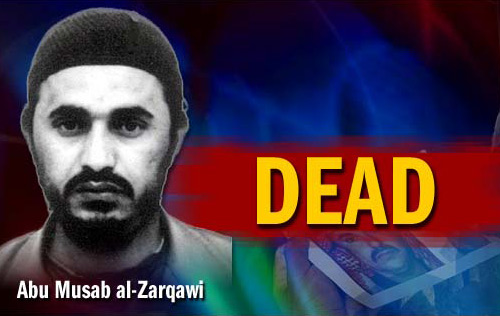 Aaron Mannes has done an extensive statistical analysis on the effectiveness of decapitation (in the figurative as well as the literal sense) in counter-terrorism.
It is conventional wisdom that removing an organization’s leaders is an effective counter-terror strategy, but the quantitative analysis is less clear on the issue. Most of the successes focus on specific instances, such as the collapse of Sendero Luminoso in Peru after its leaders were removed. There are also examples on the other side, such as Hezbollah’s increased deadliness and effectiveness after Israel’s 1992 assassination of Hezbollah Secretary-General Abbas Musawi.
This study was an attempt to shed some light on the issue, focusing strictly on removing top leaders (#1 or #2 – so OBL or Zawahiri would count, but Khalid Sheikh Mohammed did not.) Sixty cases of terrorist leaders being killed, dying, or being captured and imprisoned for lengthy periods were identified.
The results were less than satisfying.
The data-set was relatively small so most of the results were not statistically significant. There was a trend of lower numbers of incidents after a group lost its leader, a trend that increased when a group lost its leader more than once. On the other hand there was an indication that the number of fatalities by Islamist groups increase after they lose a leader. Building on that when an Islamist leader is killed, rather than arrested, the increase is even greater.
The full study [PDF] is here. Given the intuitive and visceral appeal of killing terrorist leadership, though, I’m quite certain Mannes’ ultimate conclusion does not need more study: “Regardless of the quantitative results, decapitation will remain a counter-terror strategy.”

Of course there is a third option. Study what has happened and see if there is more than a binary condition set (decapitate or not). I would suspect as an example that you get very different results if you decapitate with or without a direct confrontation ground war.
I suspect that the type of organization could dramatically effect the success of the tactic. Greater bureaucracy could probably absorb the loss better.
The author, and some observers, may call this “extensive statistical analysis.” It is, however, actually speculative fiction. Speculative fiction may be entertaining, and even enlightening. But it’s still no better than guesswork.